

I’m a Tech Blogger and Web & Mobile App Specialist passionate about exploring the latest in web development, AI, and cloud technologies. I work with startups and small businesses to design scalable digital solutions that combine performance, creativity, and smart automation.
With hands-on experience in cloud migration, AI-driven tools, and cross-platform app development, I focus on turning complex tech ideas into simple, impactful products.
As a freelancer and startup mentor, I enjoy helping early teams choose the right technology stack, improve user experience, and accelerate product launches. My current interests include AI text generation, voice technology, and media transcoding, where innovation meets everyday usability.
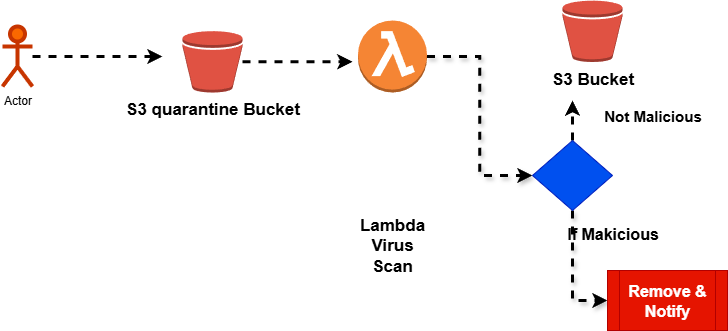
Many startups make a common mistake: allowing users to upload files directly into production S3 buckets using presigned URLs — without any quarantine or security checks.
It feels simple, fast, and cost-effective… until it isn’t. The reality is that this shortcut can create serious security, compliance, and operational risks that may impact your business later.
Risks of Skipping Quarantine
1. Security Breaches
Malicious files (viruses, ransomware, weaponized PDFs) can slip directly into your production bucket.
Attackers may deliberately upload files designed to exploit vulnerabilities in downstream systems or target other users.
2. Data Privacy Violations
If malware spreads or sensitive data leaks, you may violate GDPR, HIPAA, or PCI-DSS regulations.
Non-compliance can lead to hefty fines, lawsuits, and regulatory investigations.
3. Reputation Damage
If customers discover your platform is hosting or distributing malicious files, trust will plummet.
Bad press and negative word-of-mouth can directly reduce user adoption and revenue growth.
4. Operational Disruption
Malware in production storage can infect applications, analytics pipelines, or even machine learning training datasets.
Remediation is costly, disruptive, and may involve downtime, data loss, and emergency security fixes.